Fes-Saïss has no hotel attached to the terminal, and the decision that matters isn't really distance — it's which version of the city you want to wake up in. Fes el-Bali, the medina, is the largest car-free urban space on earth and the entire reason to come; its riads put you inside lanes that haven't changed in centuries. The ville nouvelle, the modern French-built quarter, offers conventional hotels with parking and a train station, useful if you're driving on or connecting elsewhere.
And out by the runway, fifteen kilometres from the old city, a few plain hotels exist for one purpose: a flight that leaves before dawn. Of all Moroccan cities, Fes is where the arrival logistics — the gate, the porter, the dark lanes — should drive your choice the hardest.
Key facts
- No hotel sits inside the terminal; the nearest options are a few minutes' drive into the Saïss area.
- Fes el-Bali is the world's largest car-free medina — riads here mean a gate drop and a porter's handcart.
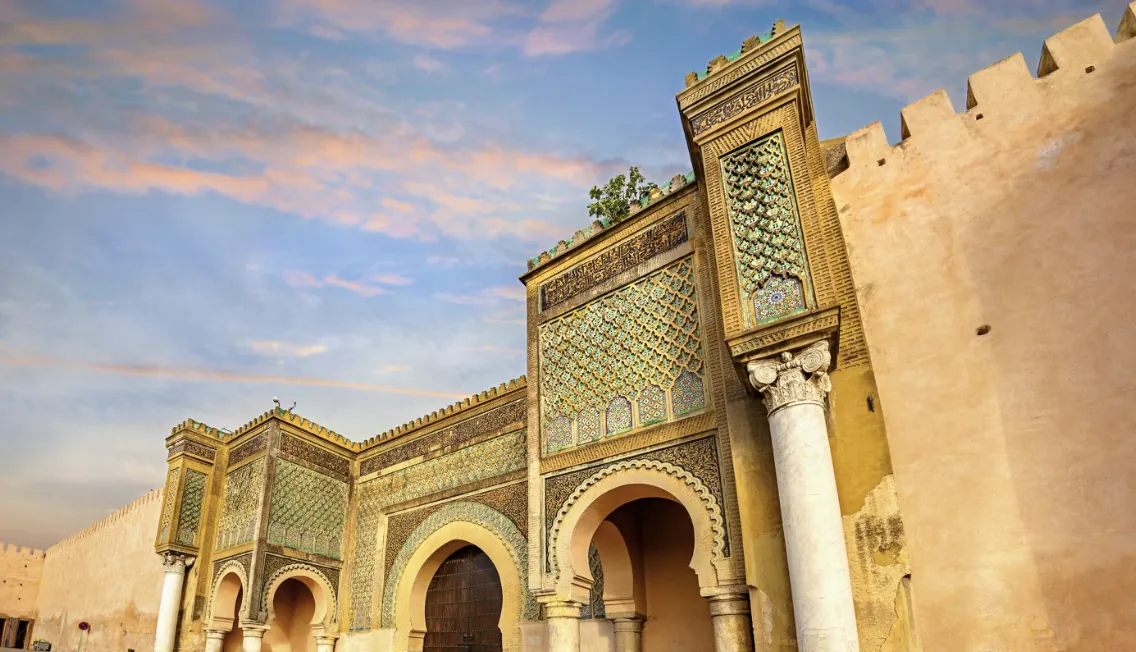
- Riads cluster in the Batha and Talaa quarters near Bab Boujloud (the Blue Gate) and Bab Rcif.
- The ville nouvelle has conventional hotels with parking, near Fes Ville train station for onward travel.
- Tell the driver the gate, not a street — the medina's lanes go pitch-dark once the souks close.
- A grand taxi from Saïss to town runs about 120–150 MAD by day; book a refundable rate to stay flexible.
Fes el-Bali: riads inside the car-free medina
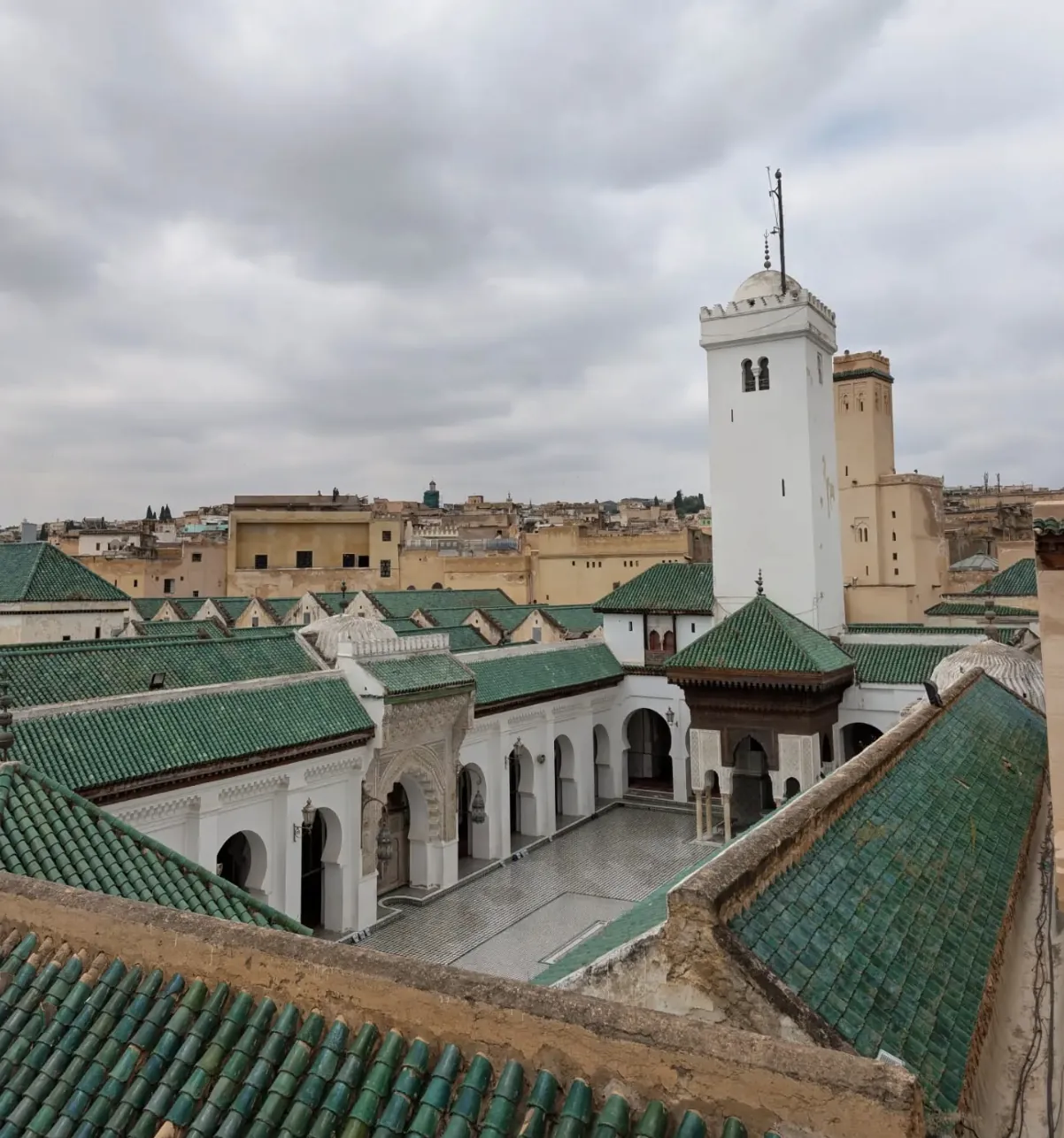
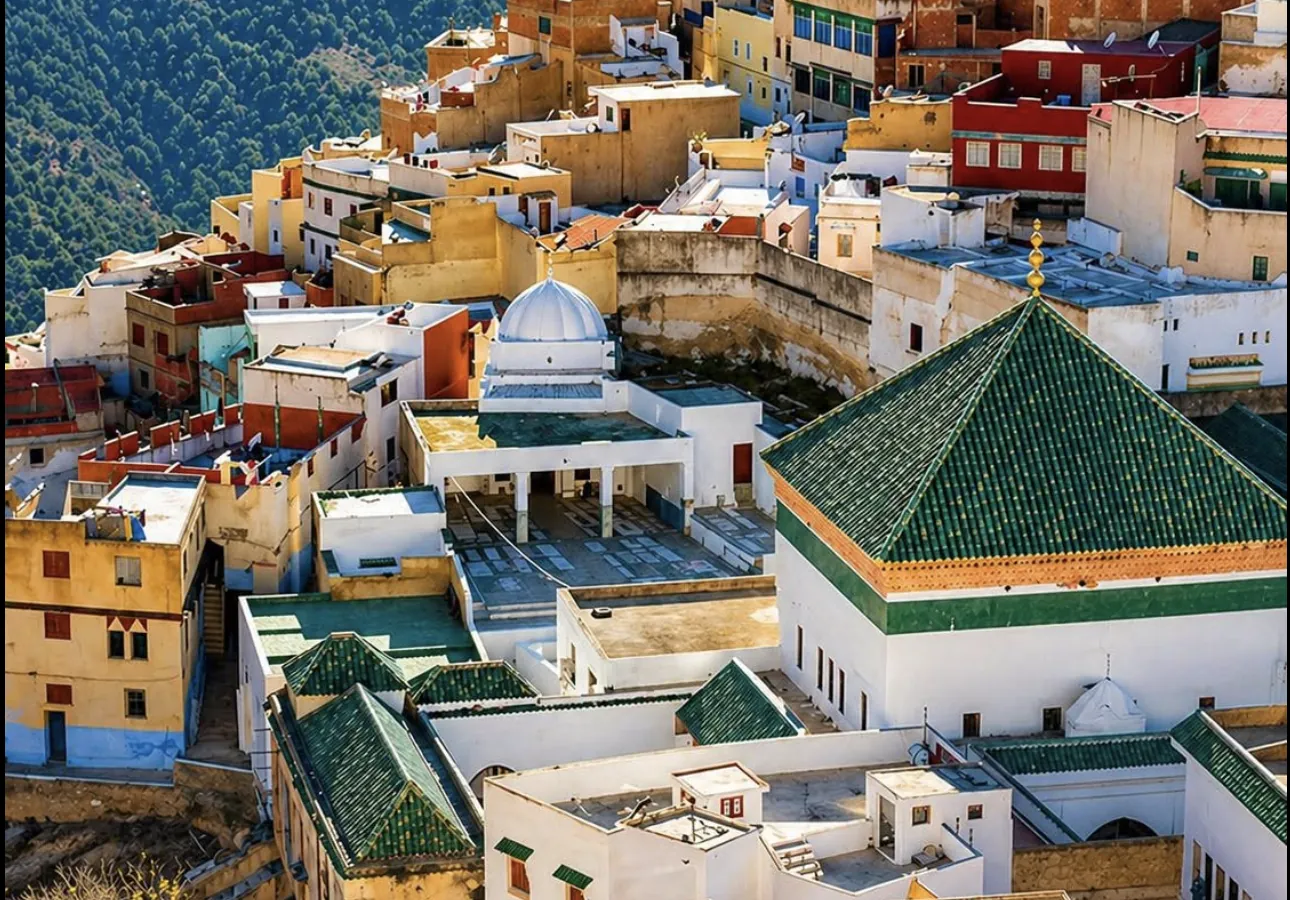
The medina is why people come to Fes, and a riad is the only way to truly stay inside it — a tiled courtyard house with a fountain and a rooftop looking over the tanneries and minarets. Most riads cluster in two quarters: Batha, the gentler eastern edge near the Blue Gate of Bab Boujloud, and the Talaa Kebira and Talaa Seghira streets that thread down into the souks.
The trade is severe and worth understanding before you book. Cars cannot enter Fes el-Bali at all, so a transfer leaves you at a gate — Bab Boujloud, Bab Rcif, Bab Guissa — and a porter meets you with a handcart to haul your luggage in on foot. By day it's a marvellous way to arrive; the catch is the lanes themselves, which narrow, twist and offer no signage a car could follow.
Why the gate, not the street, is everything
Nowhere in Morocco does your arrival hinge so completely on one instruction: tell the driver which gate, never a street name. The medina's addresses mean nothing to a vehicle, because no vehicle can reach them; what works is a Bab the driver knows — Boujloud for the Batha and Talaa quarters, Rcif for the lower medina and the souks near the Kairaouine.
The other reason this matters is light. Once the shops shutter in the early evening, the lanes go genuinely dark, unlit and disorienting for a first-timer dragging a case. A good riad will arrange for the porter to meet you at the gate at a set time, so message them your arrival and flight details in advance. Get that handoff right and the walk in becomes part of the magic; get it wrong and you're lost in the dark with luggage.
The ville nouvelle: parking, trains and onward travel
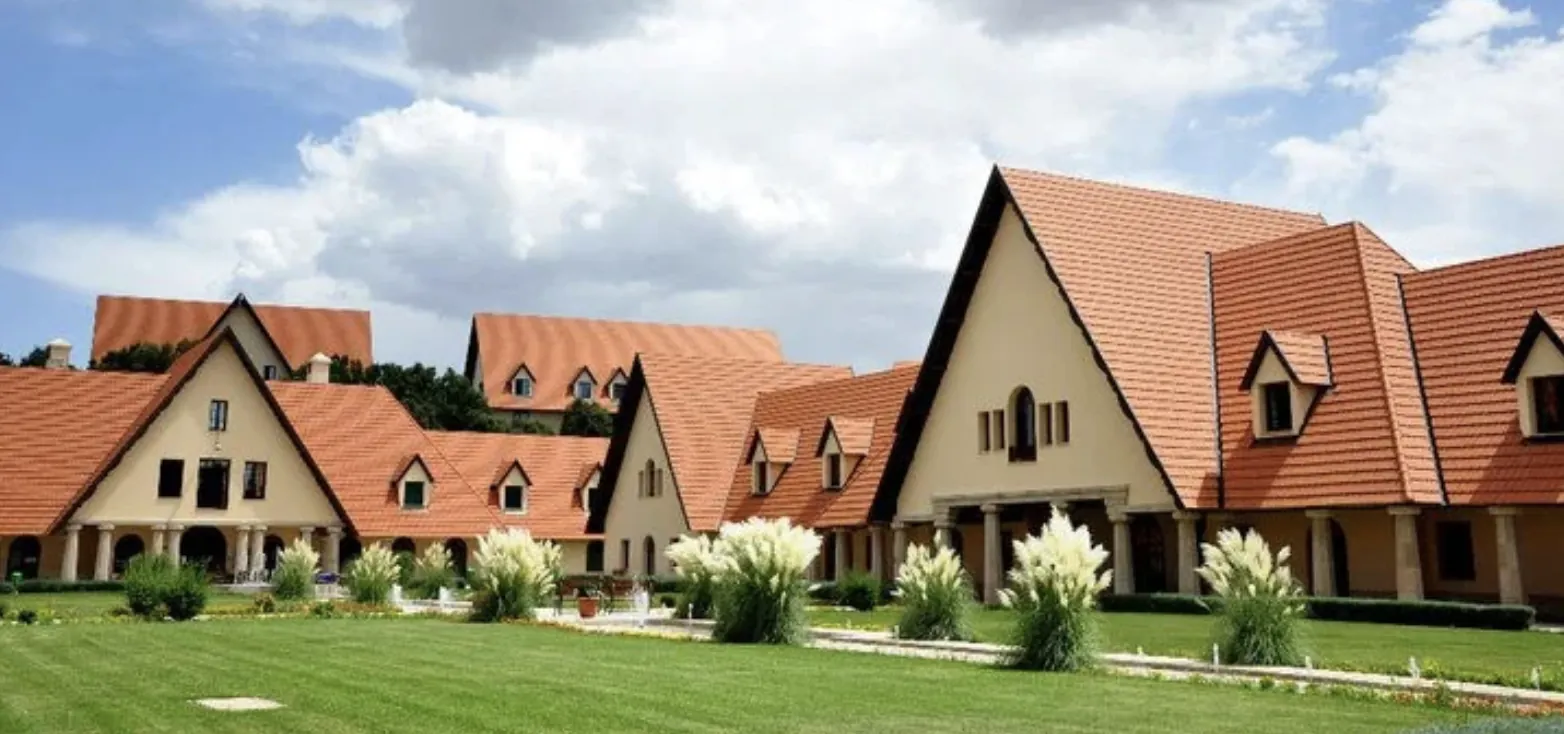
If you're driving the country, connecting onward by rail, or simply want a hotel where the car parks itself, the ville nouvelle is the practical base. Built by the French in the 1920s, it's a grid of broad avenues, cafés and conventional hotels a couple of kilometres from the old city — ordinary in the best sense, with lifts, car parks and a front door a taxi can reach.
It also wraps around Fes Ville, the main train station, which makes it the obvious choice if your next stop is Meknès, Rabat or the long run to Marrakech. You lose the medina atmosphere, but you gain a base that simply works for logistics. Many travellers split it: a riad for the heart of the visit, the ville nouvelle for the night they have an early train or a hire car to collect.
Near the airport for a dawn departure
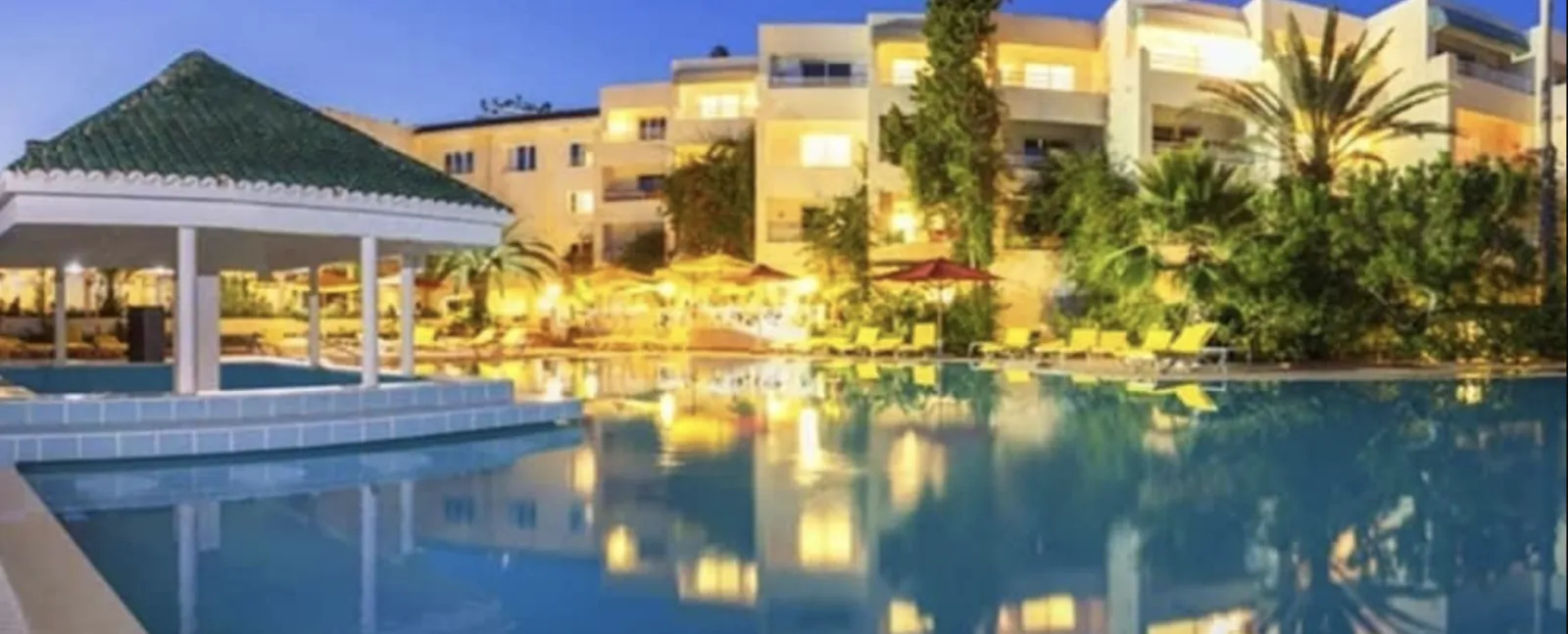
When your flight leaves before the city wakes, a hotel out near Saïss is the rational call. A small set of straightforward properties sits within a few minutes of the terminal — a clean room, a quiet night, and a short hop to check-in rather than a 4am taxi summoned across town and through the medina's edge. There's no atmosphere to speak of out here, and that's precisely the deal: you're buying proximity and an undisturbed night, not a view of the tanneries.
The same logic rescues a midnight landing, when negotiating a fare at the rank and then a porter through dark lanes is the last thing you want. Book one of these for the bookend night only; for the trip itself, everything memorable about Fes is back inside the walls.
Riad or hotel: let the arrival decide
More than the room or the rate, the question in Fes is how you'll get through the door with your bags. A riad means a gate, a porter and a walk through lanes that are enchanting at dusk and forbidding at midnight — a fine arrival when you're rested, a real ordeal before a 6am flight in the cold dark.
A ville nouvelle or airport hotel means the car stops at reception and you're in your room in a minute. Because the medina's walk-in is so much more involved here than in Marrakech, the case for splitting your stay is stronger: spend your nights in a Batha riad while you're exploring, then move to the ville nouvelle or near Saïss for the final night so departure is a quick, painless transfer rather than a stumble out of the old city in the dark.
Getting from Saïss to your hotel
Sort the airport leg before you fly. Fes-Saïss is about fifteen kilometres from the medina, roughly twenty minutes by road, and the grand-taxi rank sits just outside arrivals. A fair daytime fare to town is around 120–150 MAD, rising after dark, but drivers often open higher, so settle the number before the bags go in. A pre-booked transfer takes the negotiation out of it entirely — a fixed price, a driver waiting with your name, and someone who'll drop you at the right gate rather than the wrong one.
For a riad, repeat the rule: name the Bab, not the street, and tell the riad when to have the porter ready. For the ville nouvelle or a Saïss hotel, the address is plenty, because the car drives straight to the door.
Seasons, schedules and refundable rates
Fes rewards spring and autumn, when the medina's stone lanes stay cool and the light over the rooftops is soft; high summer bakes and the deep souks turn airless, while winter nights get sharp and older riads without heating feel it. None of that changes where you sleep, but it shapes what you book — a riad with a courtyard for the heat, a heated room for January.
The more practical advice is to book refundable rates wherever you can. Fes flight schedules shift with the season and the low-cost carriers retime routes at short notice, so a rate you can cancel saves you when your dawn departure slides to mid-morning or your evening arrival creeps past midnight. Line the transfer up to match the final times, and the whole arrival falls into place.
Nightly price bands
| Area / type | Price from |
|---|---|
| Budget riad / guesthouse (medina) | €30–60 / night |
| Mid-range riad (medina) | €70–140 / night |
| Ville nouvelle hotel | €50–110 / night |
| Luxury riad / palace hotel | €180+ / night |
| Near-airport hotel (Saïss) | €45–90 / night |