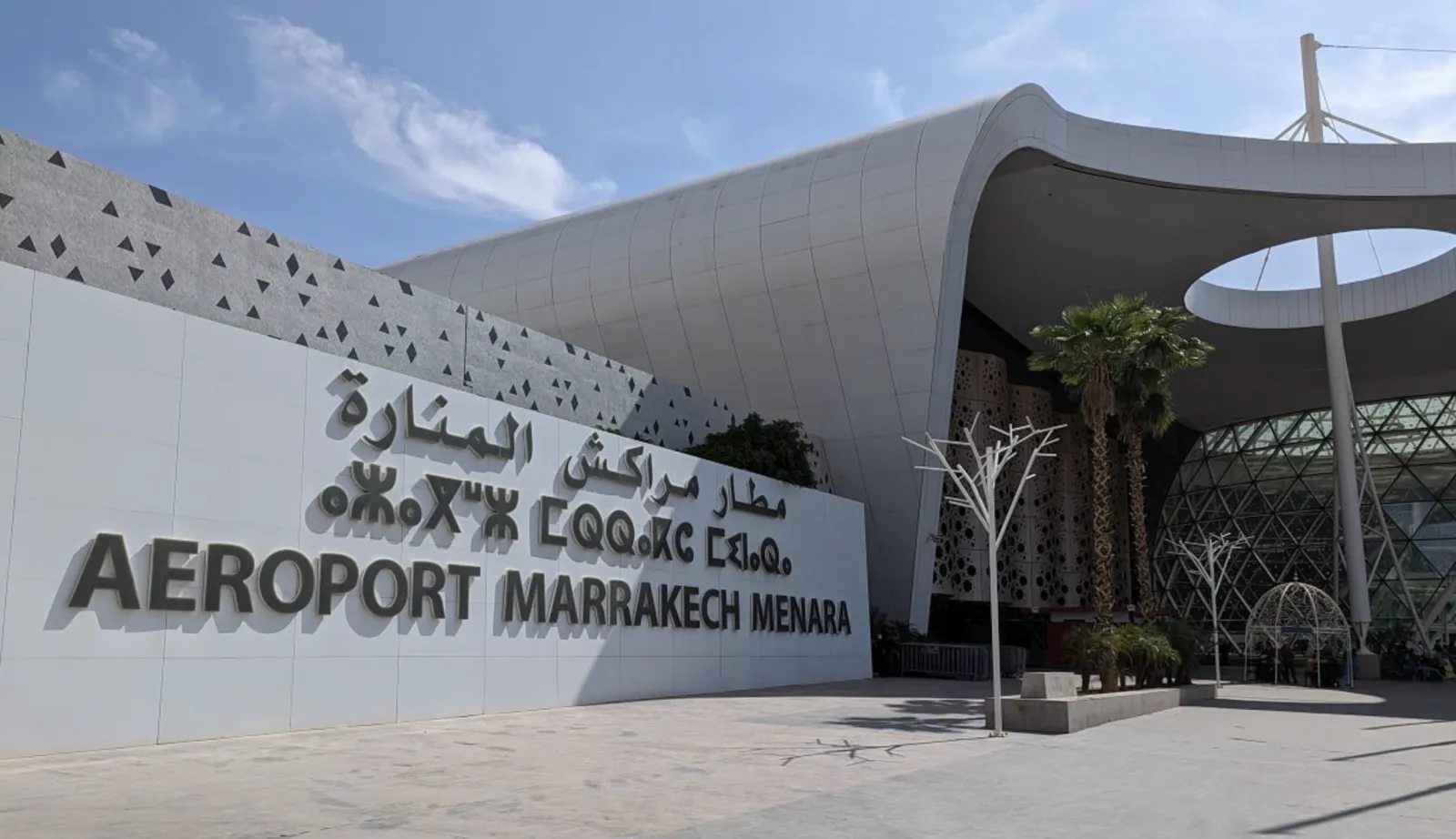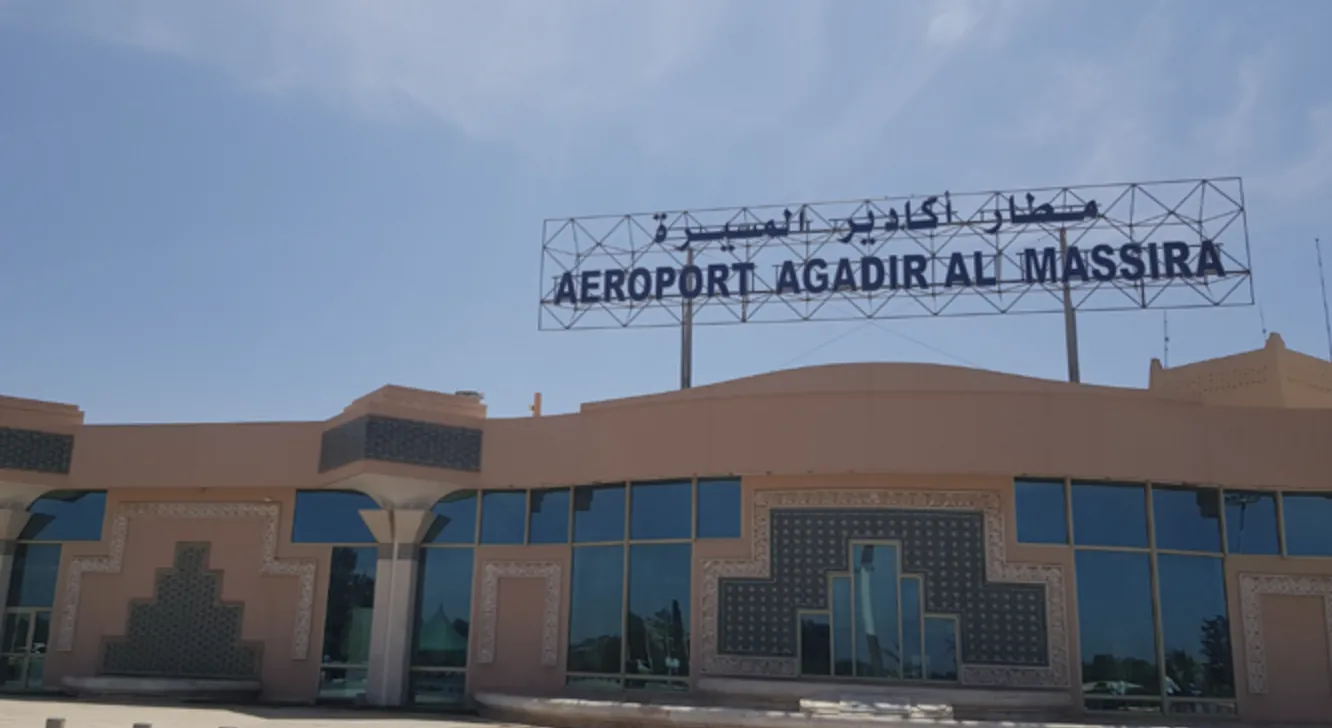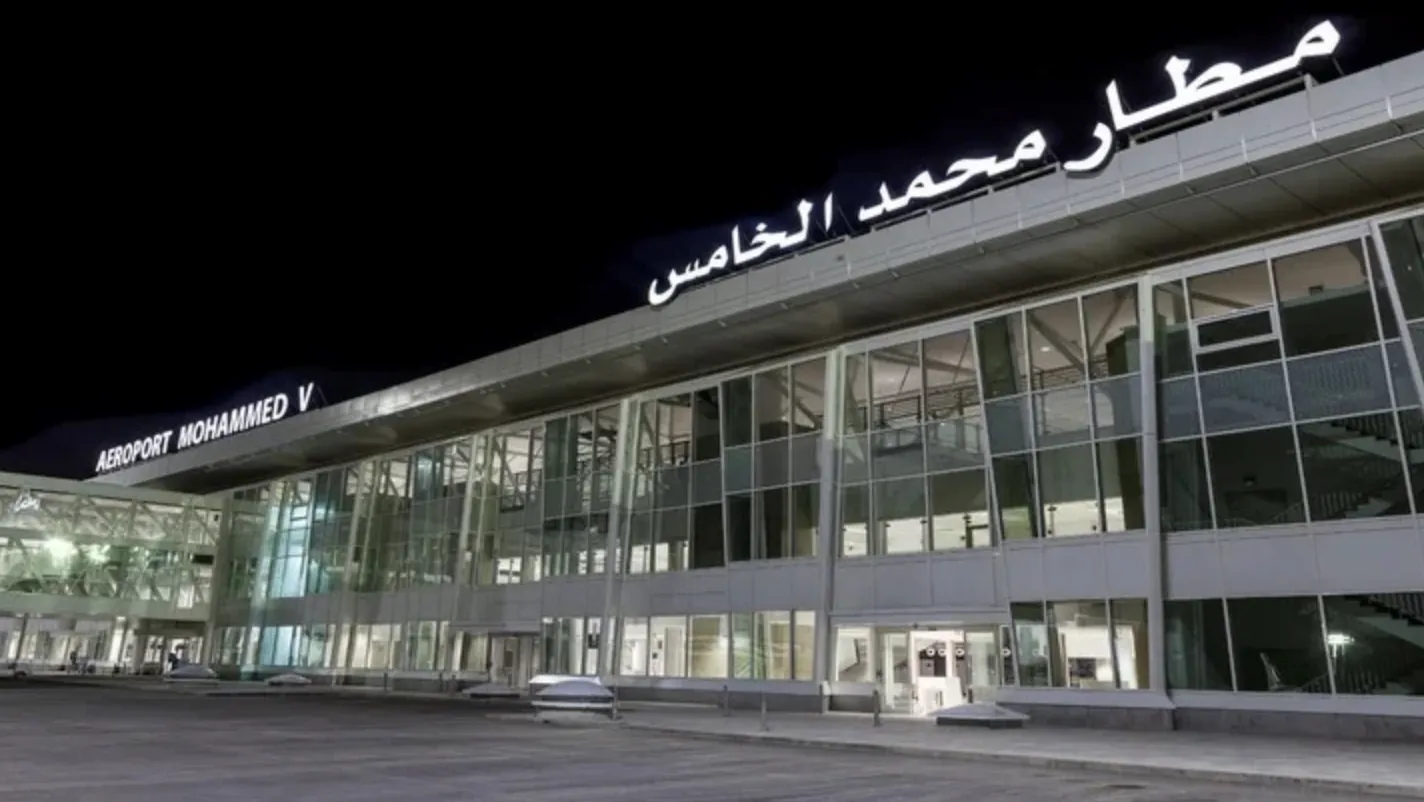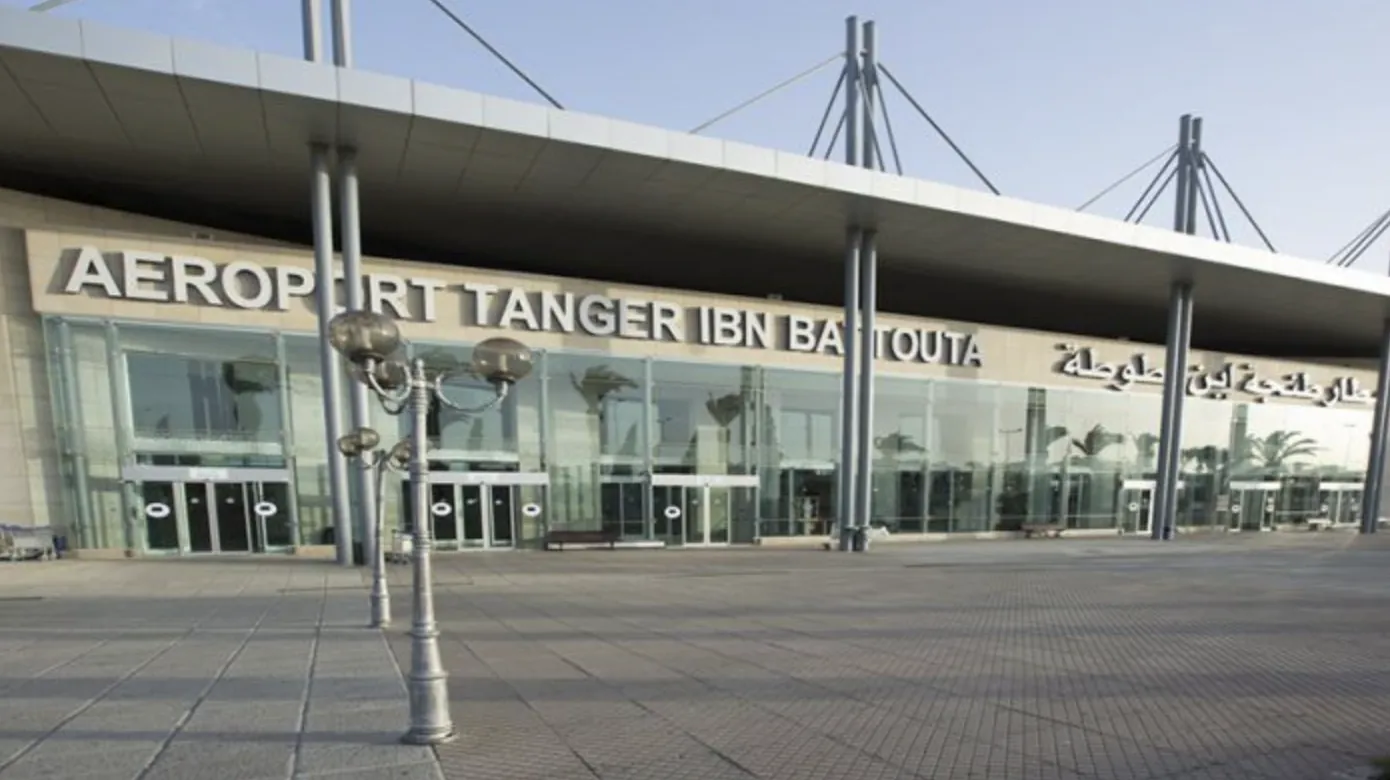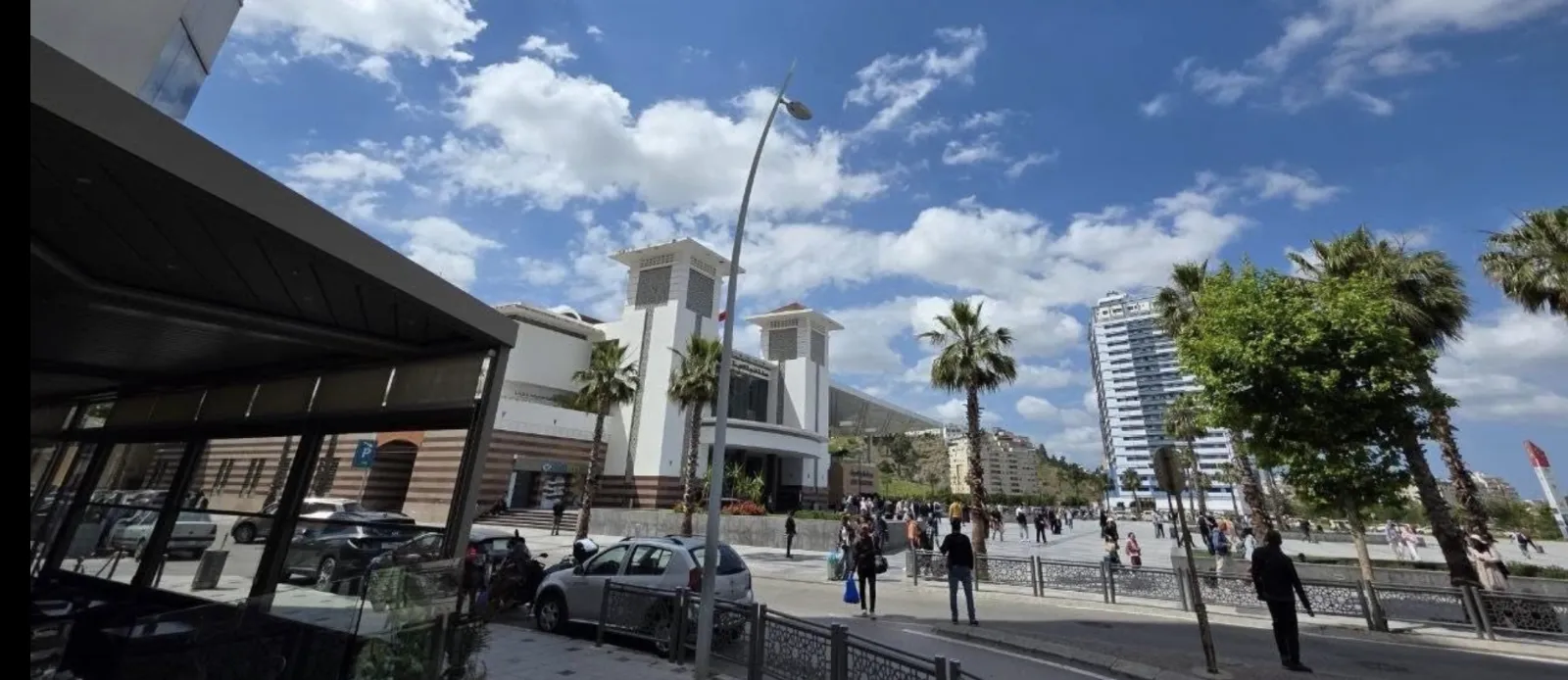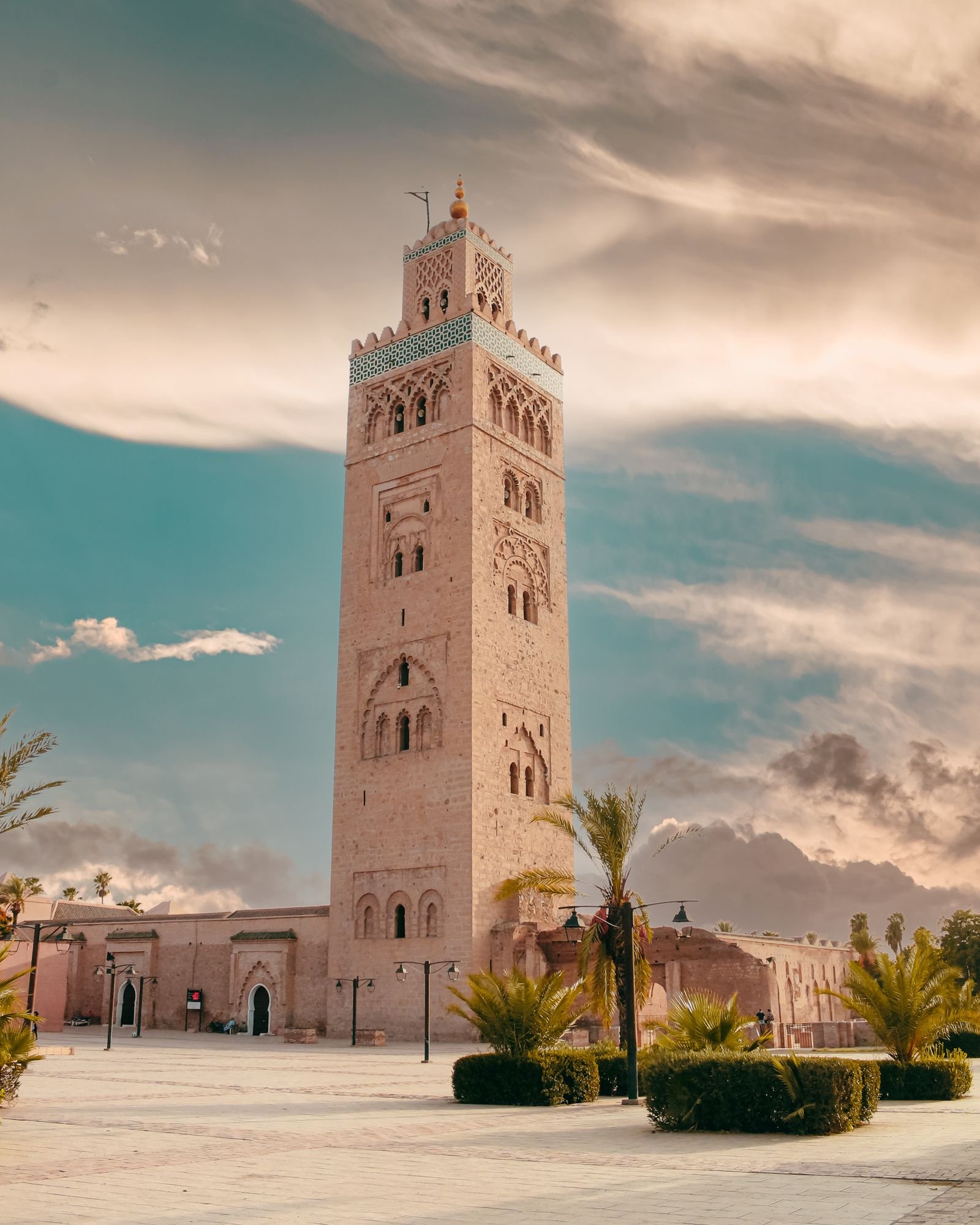
Morocco has five airports worth knowing, and each one plays by slightly different rules. Marrakech and Fes drop you at a medina gate where a porter takes over; Casablanca is the rare airport with a train under the terminal; Agadir and Tangier run almost entirely on road transfers. The single thread through all of them is the same: a fixed price agreed before you land beats a tired negotiation at the rank. This guide pulls every airport and every route into one place.
The basics
How transfers work across the five airports
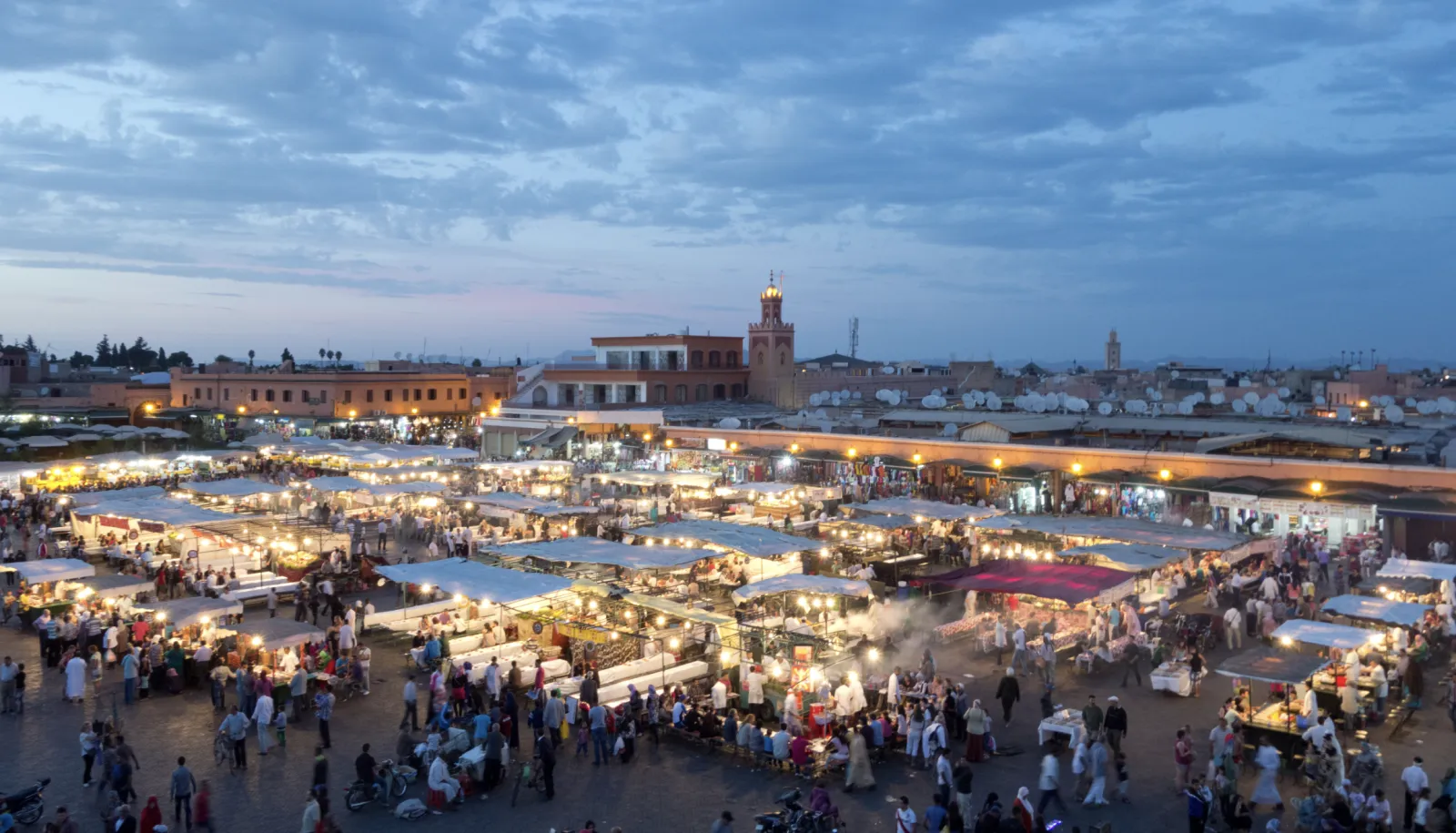
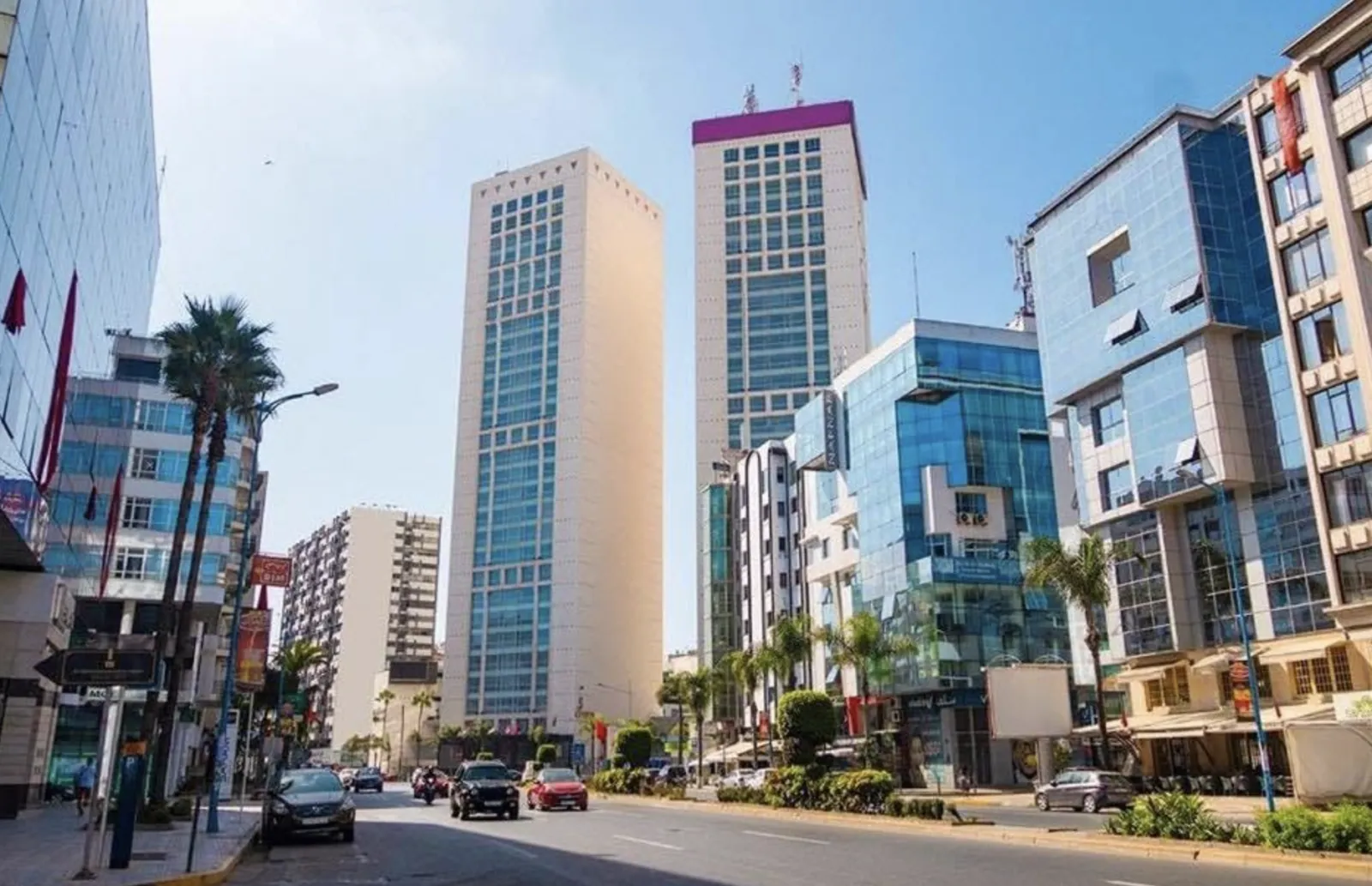
The mechanics are similar everywhere — a rank of taxis, a private-transfer desk or pre-booked driver, and at a couple of airports a train or bus — but the right answer shifts with each gateway. Marrakech (RAK) is the busiest by far for visitors, just six kilometres from the medina, with a posted grand-taxi tariff of roughly 100–150 MAD by day and nearer 200 MAD at night; bus 19 also runs into Jemaa el-Fna for a handful of dirhams. Casablanca (CMN) is the country's long-haul hub, thirty-odd kilometres out, where the rank into the centre runs 250–300 MAD and a train waits under the terminal.
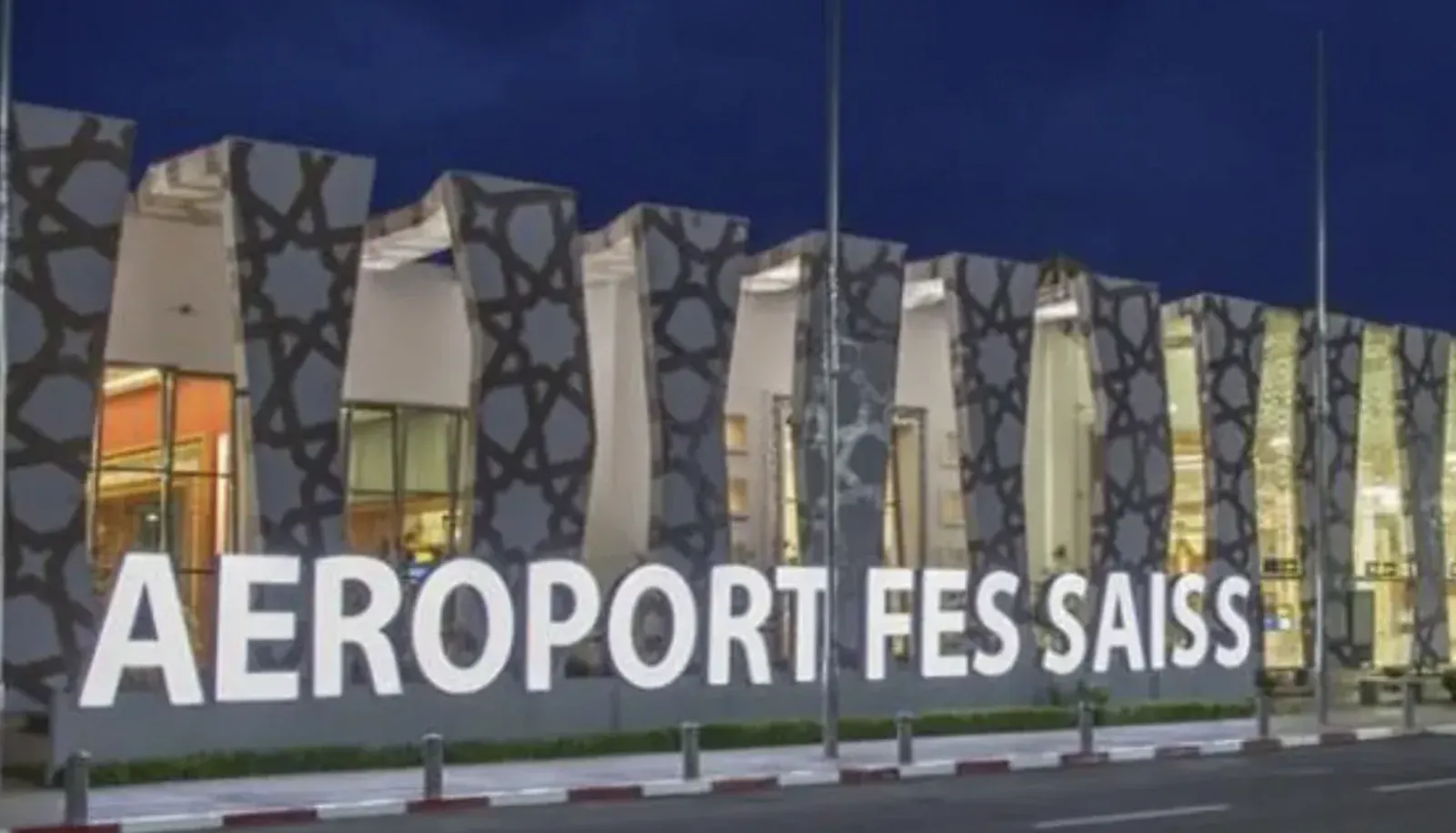
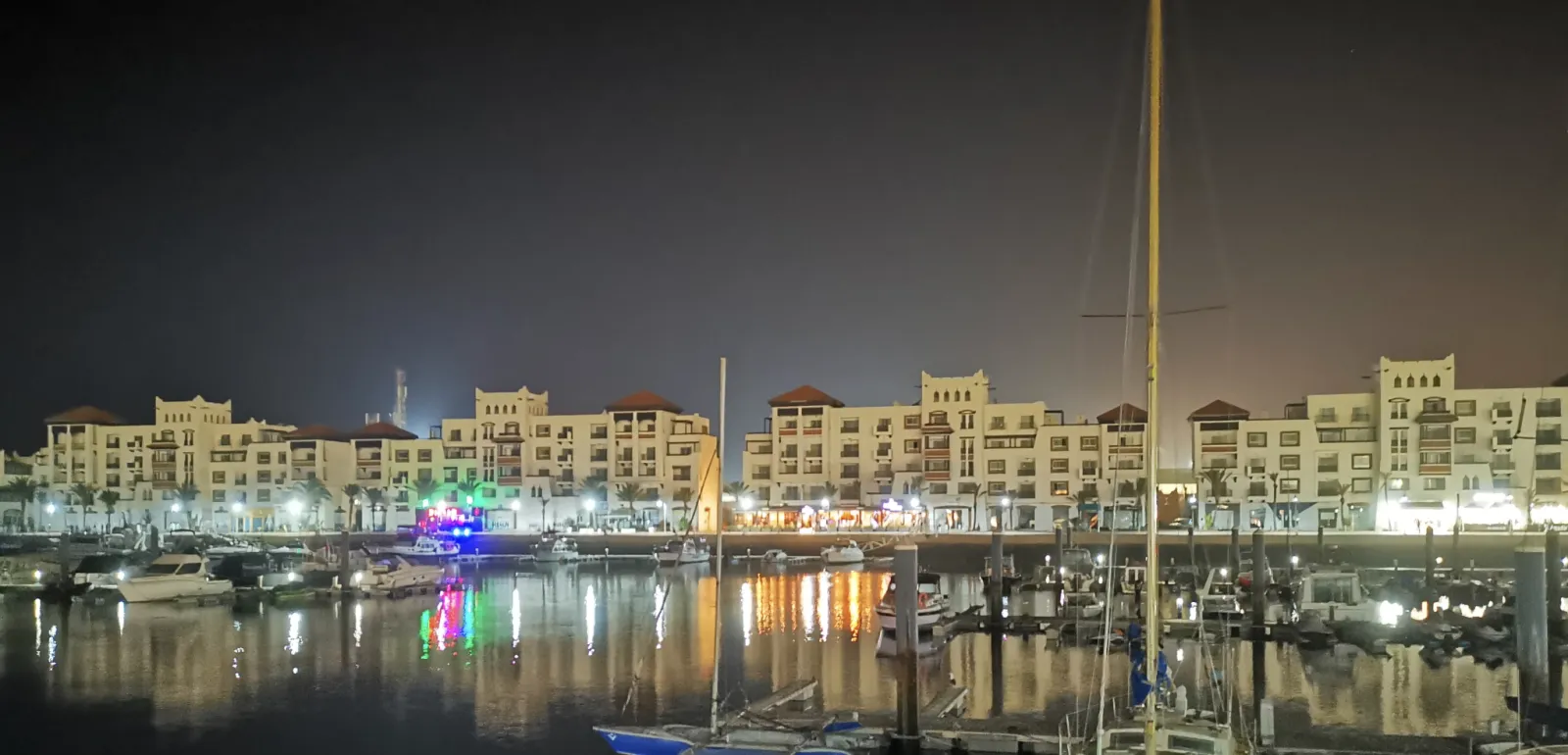
Fes (FEZ) mirrors Marrakech — a short hop to a tightly knotted medina where the right gate matters — and doubles as the launch pad for the long desert drive south. Agadir (AGA) and Tangier (TNG) have no useful rail link, so a road transfer is simply how arrivals get to scattered resort addresses or push on over the hills. Across all five, the rank tariff is a posted figure, not a meter, and visitors with luggage are routinely quoted above it. A fare you fix online before you fly sidesteps that entirely, which is why a pre-booked car is the default we'd reach for on any late, long or medina-bound arrival.
Medina logistics
The medina-gate handoff in Marrakech and Fes
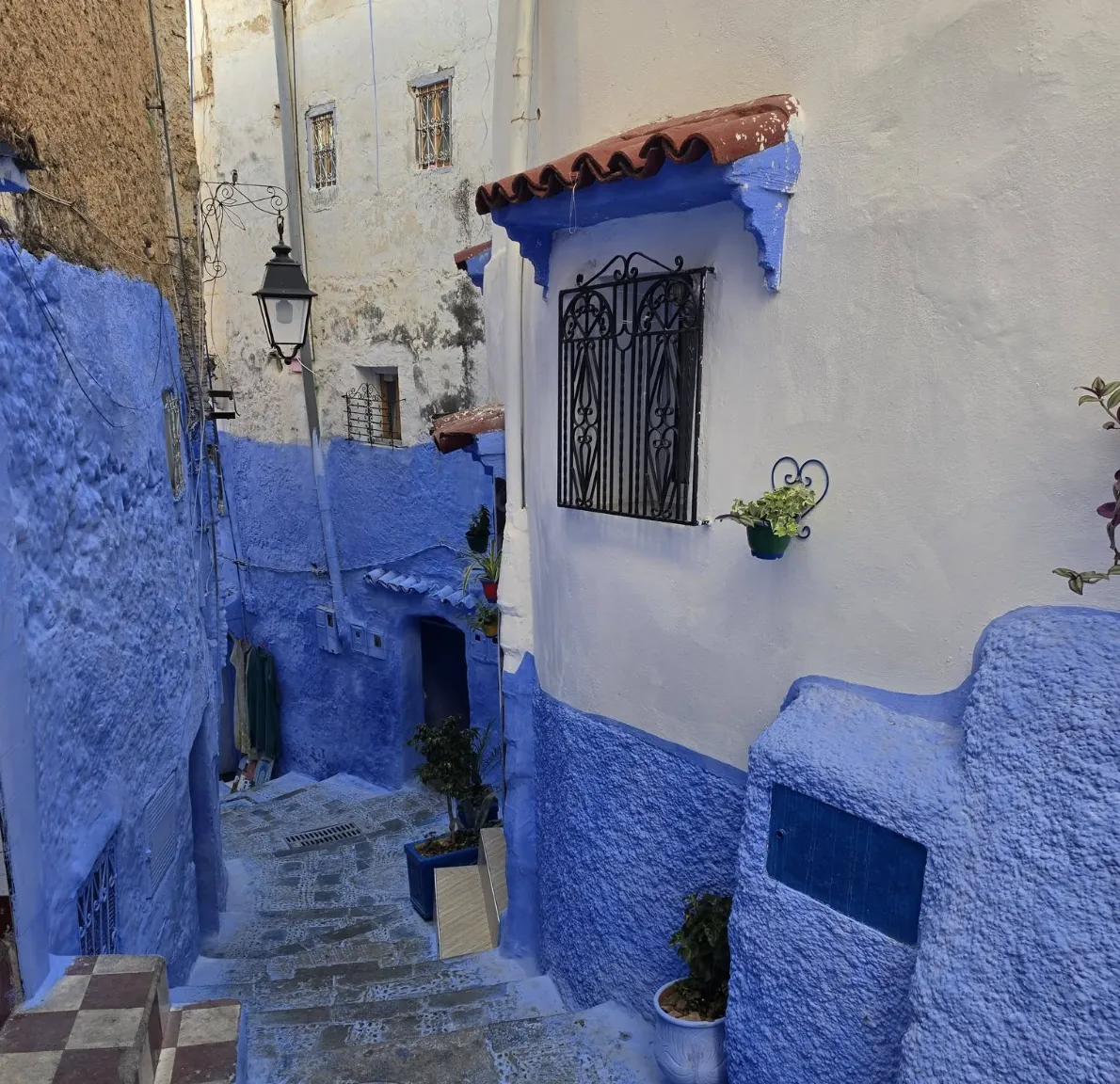
Marrakech and Fes share a quirk that catches first-timers out: the old city is car-free, so no vehicle reaches your riad's door. A driver can only bring you to the nearest gate — a Bab — and from there a porter with a cart takes your bags through the alleys on foot. Get the gate wrong and you're hauling cases over uneven cobbles, possibly in the dark, possibly the long way round. This is the single biggest reason a transfer driver who knows the medina earns his fee here, where the distance from the airport is otherwise trivial.
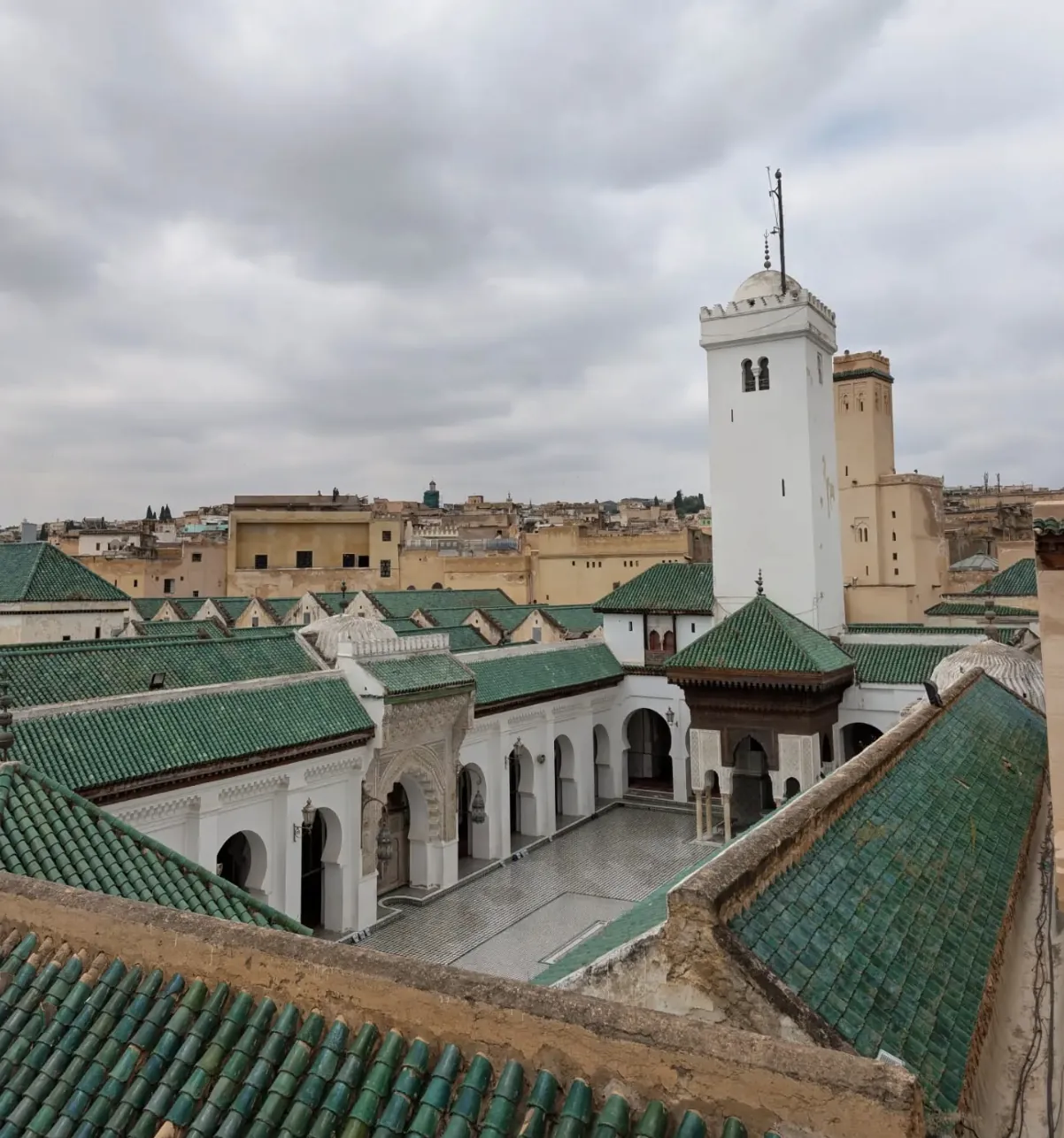
The practical move is to ask your riad which gate to give the driver — Bab Doukkala, Bab Agnaou, Bab Laksour and the rest each serve different quarters — and whether they can send a porter to meet you there. A pre-booked transfer lets you pass that gate name to the driver in advance; a rank taxi grabbed on arrival is a coin toss on whether the driver knows the right one. Fes is, if anything, more of a maze than Marrakech, so the same rule applies with even more force: name the gate, arrange the porter, and the last hundred metres stop being the hardest part of the journey.
Casablanca's train
The ONCF train under Casablanca airport
Casablanca is the one Moroccan airport where the cheapest way into the city is also one of the easiest. An ONCF train station sits directly beneath the terminal, with regular departures to Casa-Voyageurs and Casa-Port in the centre, plus onward connections — including a direct run to Marrakech and links toward Rabat. The fare is a few dozen dirhams rather than the 250–300 MAD a rank taxi asks for the same trip, and you skip the airport-road traffic that can make the drive unpredictable at rush hour.
The catch is luggage and timing. The train is a clear win if you're travelling light, arriving in daylight and heading to a central address near a station; it's far less appealing at one in the morning with three suitcases and a hotel across town from Casa-Port. For late arrivals, families or anyone going somewhere the train doesn't reach, a fixed-price private car from around €28 is the calmer choice. Match the tool to the trip: train for the light, central, daytime arrival; a pre-booked transfer for everything heavier or later.
Picking a mode
Transfer vs taxi vs train vs car
A private transfer earns its keep on the arrivals that go wrong most often: late landings, medina addresses, families with luggage, and long intercity or desert routes. You fix the price online, a named driver meets you, and there's no kerbside haggling in a second language. The airport taxi rank is the fallback for a short daytime hop to a simple, car-accessible address — fine if you hold the posted tariff firm and pay in dirhams, less fine after dark or to a gate-buried riad.
The train, where it exists, is unbeatable on price — really only Casablanca, with bus 19 a budget option in Marrakech — but it asks you to manage your own bags and last-mile. Car rental is the odd one out: a poor idea for in-city stays, where medina parking is impossible and traffic is wearing, but the right call for open-road trips through the Atlas, down the coast or out to the desert, where having your own wheels turns the journey into part of the holiday. The honest summary is that no single mode wins everywhere; you pick by distance, by the hour you land, and by how much luggage and how many people you're moving.